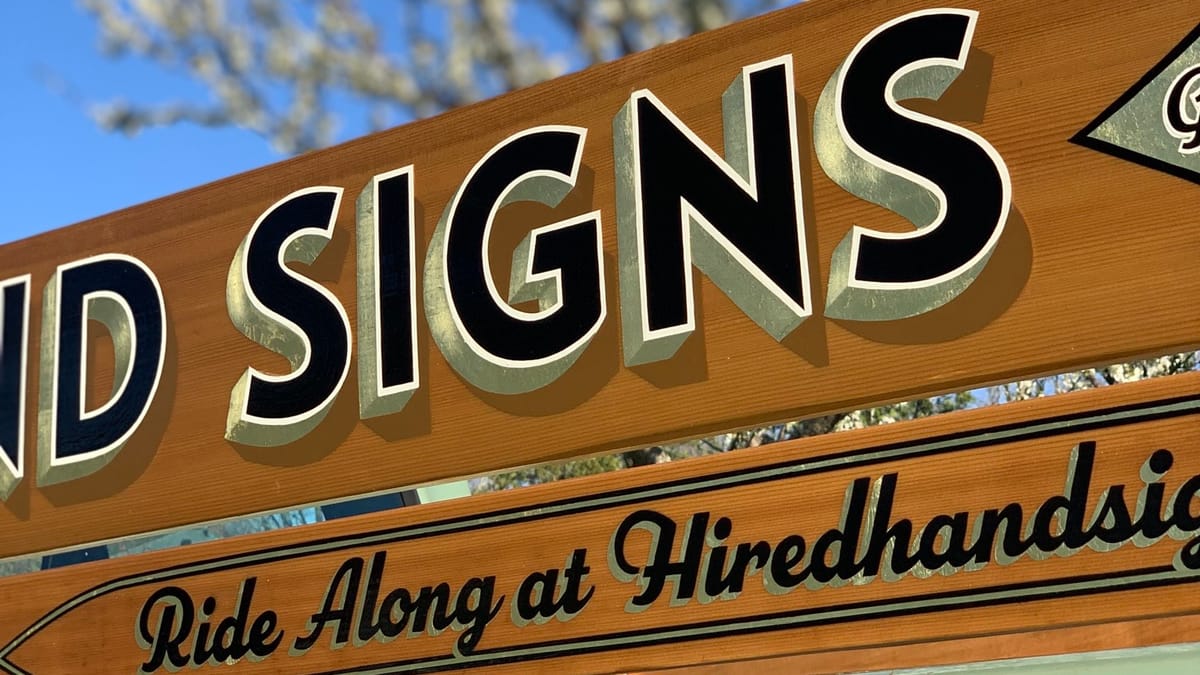
Joe Farrugia: Keeping Malta’s ‘Tberfil’ Artform on the Road
Meet the last Maltese painter applying the Tberfil decorative style to vehicles of all kinds.

Early last year Steven Scicluna got in touch to share details of his ongoing investigations into the ‘Tberfil’ style of vehicle decoration from Malta. He was exploring ways of bringing the artform, and his work, to a wider audience, and by November he had published a book: Tberfil: The art of Maltese vehicular decoration in the 20th century
It’s been inspiring to watch the project evolve from the sidelines, and it was an honour to contribute a short foreword to the book itself. Here Steven shares the story of Malta’s last surviving ‘tberfilist’, Joe Farrugia, and his role in evolving the artform over the last four decades.
Joe Farrugia: Keeping Malta’s ‘Tberfil’ Artform on the Road
By Steven Scicluna
Tberfil is the name given to a style of vehicular decoration that, for decades, has brought much joy to the streets of Malta. To most Maltese, the Tuscan lettering and matchstick pinstripes that define Tberfil will forever be synonymous with the bus service that ran on the islands up to 2011.
In 2008, with talk of an imminent retirement of the bus fleet becoming all the more frequent, I set about documenting and researching this tradition, fully aware that it might not be around for much longer.
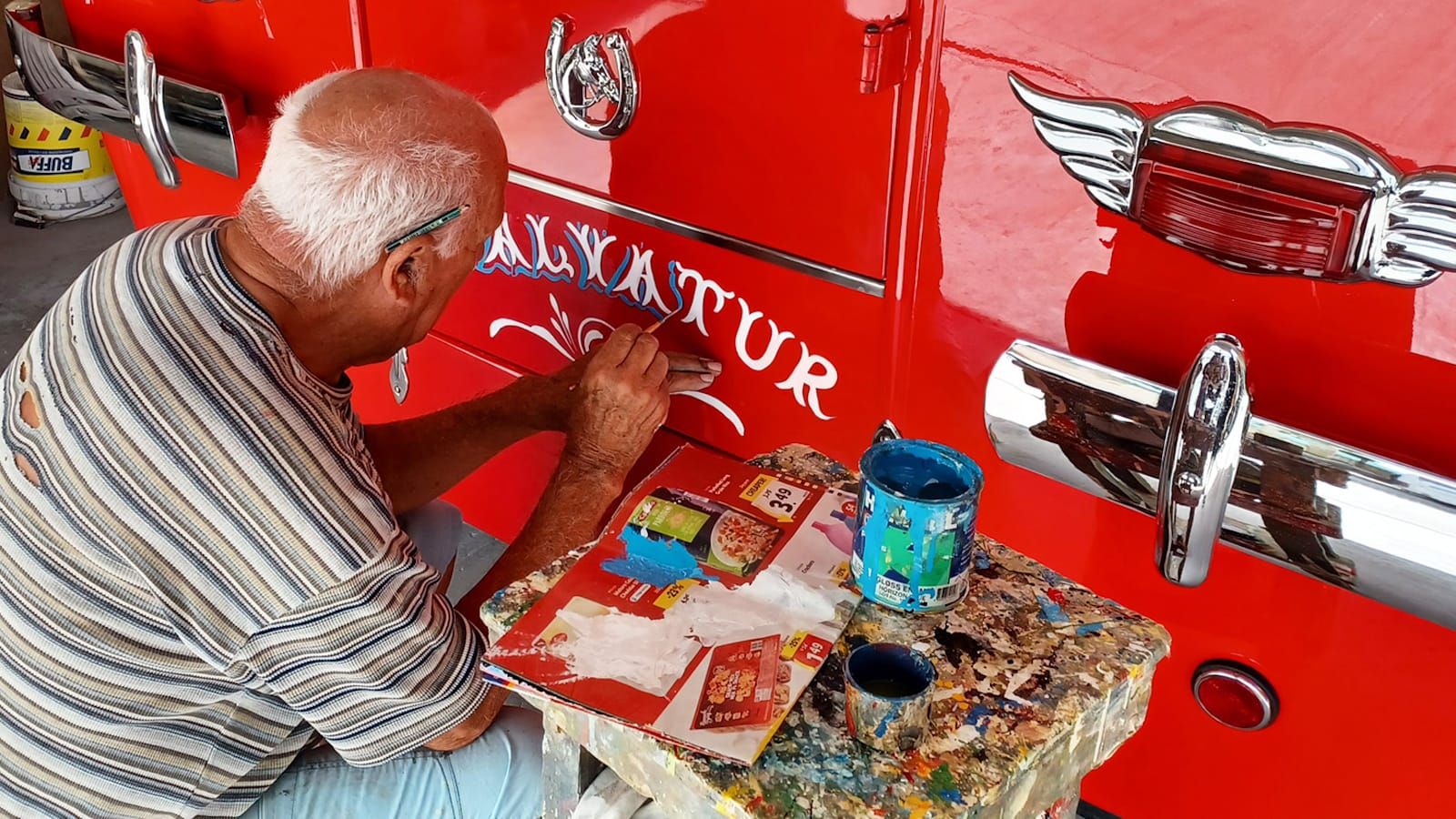
This is how I met Joe Farrugia, Malta’s last remaining full-time motor-vehicle tberfilist (painter of the Tberfil style). It was just a few months after the old bus fleet had been retired and I’d been given his number by a tberfilist that decorated horse-drawn carts (which are painted in a distinct form of Tberfil decoration).
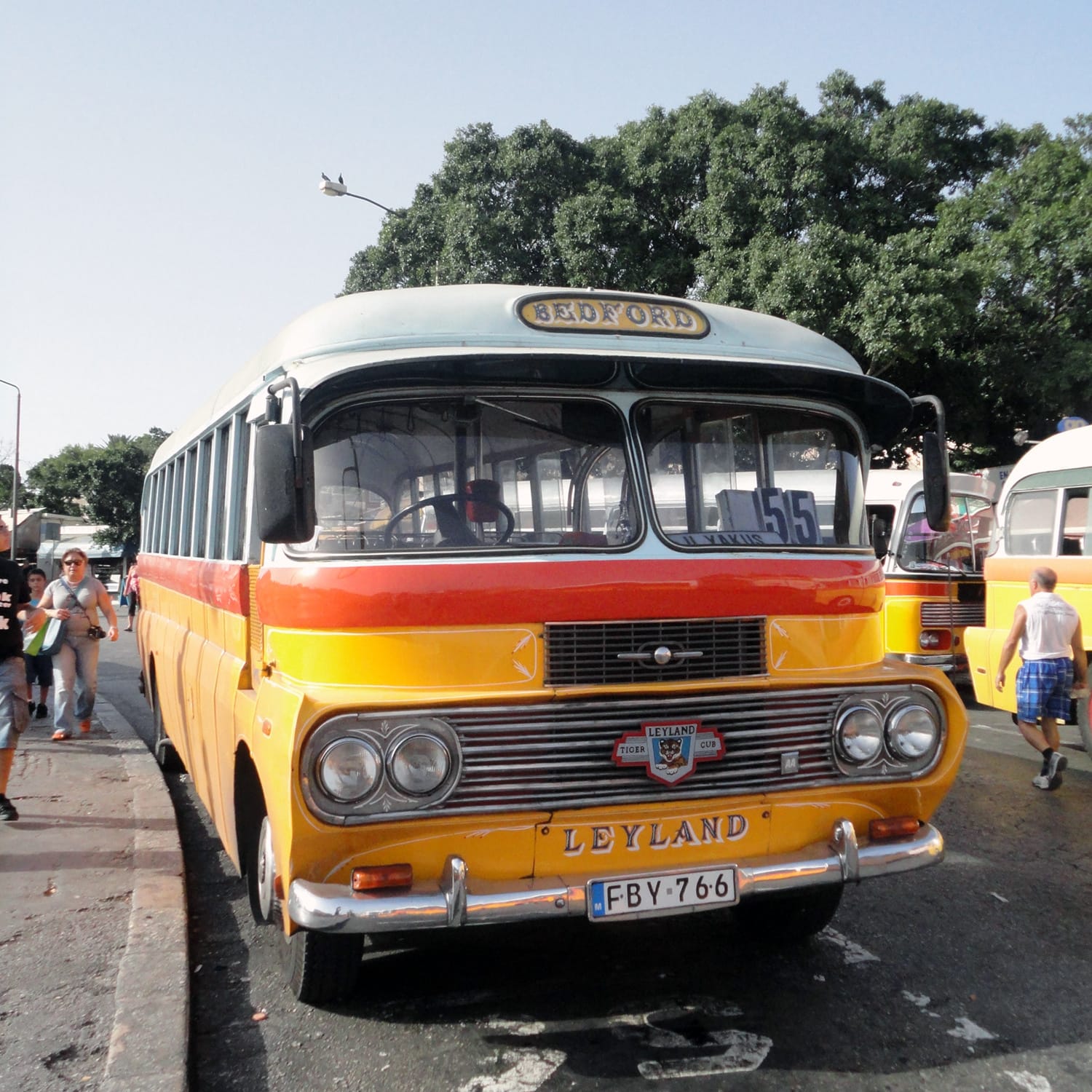
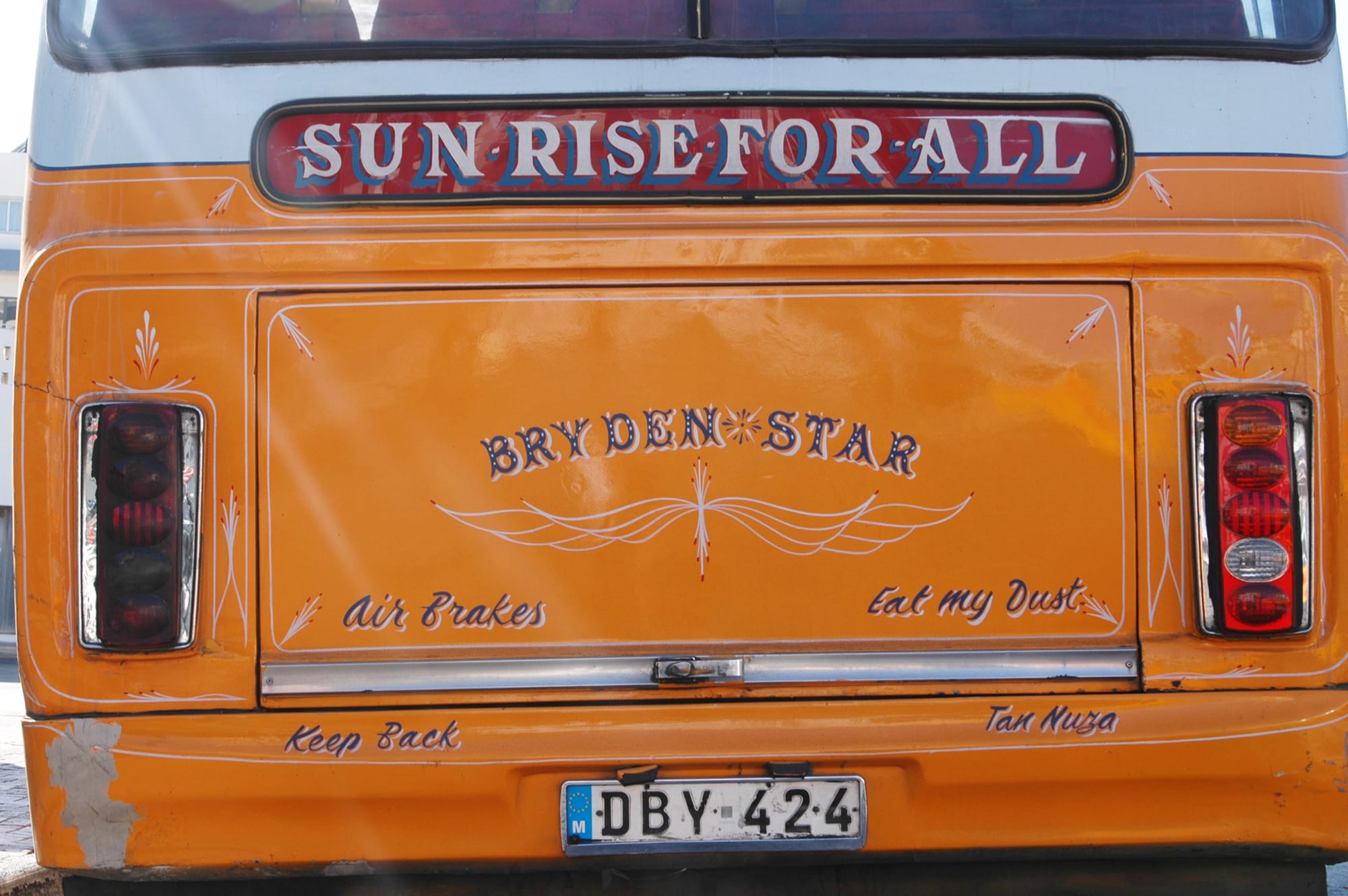

These photos, taken by Rob Portengen in 2010, show the rear end of an old bus and a typical example of Tberfil’s 'matchstick' pinstripes.
On the Buses
Meeting Joe for the first time, I distinctly remember his small garage-cum-studio in San Ġwann, covered in the small oil paintings of old Maltese buses that he was busy painting during that period, all in their original 1960s liveries. “That one up there, that’s the green and red bus to Zejtun” he pointed out and, as we looked at it, a quiet yearning emerged in the brief silence that followed. “And look, you see that one in the shades of blue? That used to be the Sliema one.”
And so he went, keenly taking us through the buses that he — the son of a bus driver from Qrendi — had first worked on during the late 1950s, as a young 14-year-old ticket conductor. It was during this time that Joe first attempted some vehicular decoration, and from then on, as he loves to say with a twinkle in his eye, “I was hooked!”.
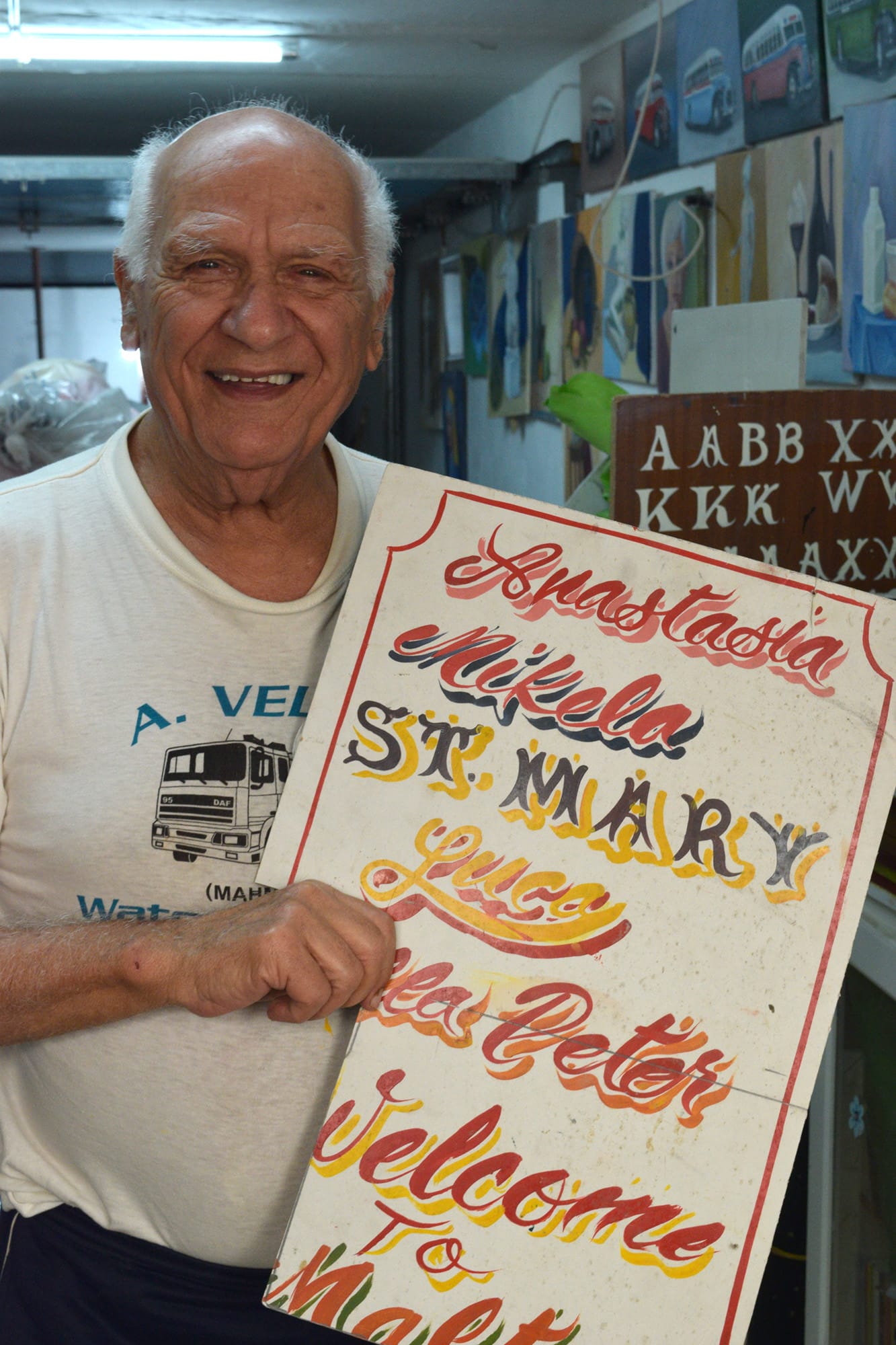
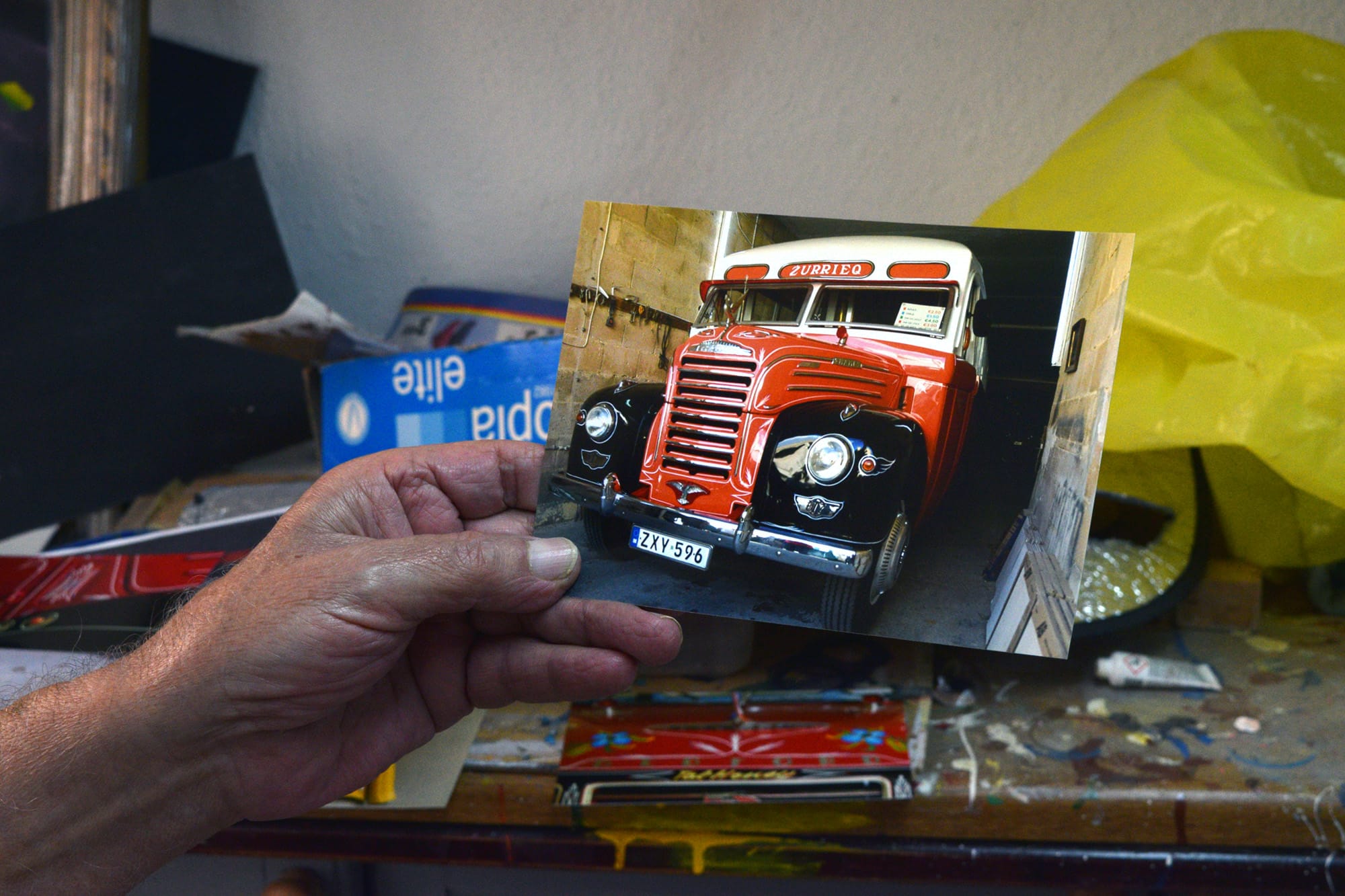
Joe Farrugia with a sign in his workshop, and showing one of the many buses that he has helped restore. Photos: Steven Scicluna.
His budding tberfilist career was cut short by time spent in Canada between the mid 1960s and early 1980s. However, when he returned to Malta it was the same buses he had worked on as a boy (now all painted green and white, rather than in different destination liveries) that provided him with his livelihood as a full-time vehicle decorator. He was one of only two people on the islands plying the trade, with the other being the well-known Bastjan Darmanin of Qormi, who sadly passed away in early 2025.
The Darmanin Legacy
Darmanin is an important figure in the story of Tberfil. The son of a kerosene seller, he established himself as the main tberfilist on the islands between the 1960s and 1980s, and his influence on the eventual nature of the art form is hard to overstate. It was his brush that took the sparse lettering and barely-there striping that was around during the 1950s and created a template that could be applied to different vehicles.
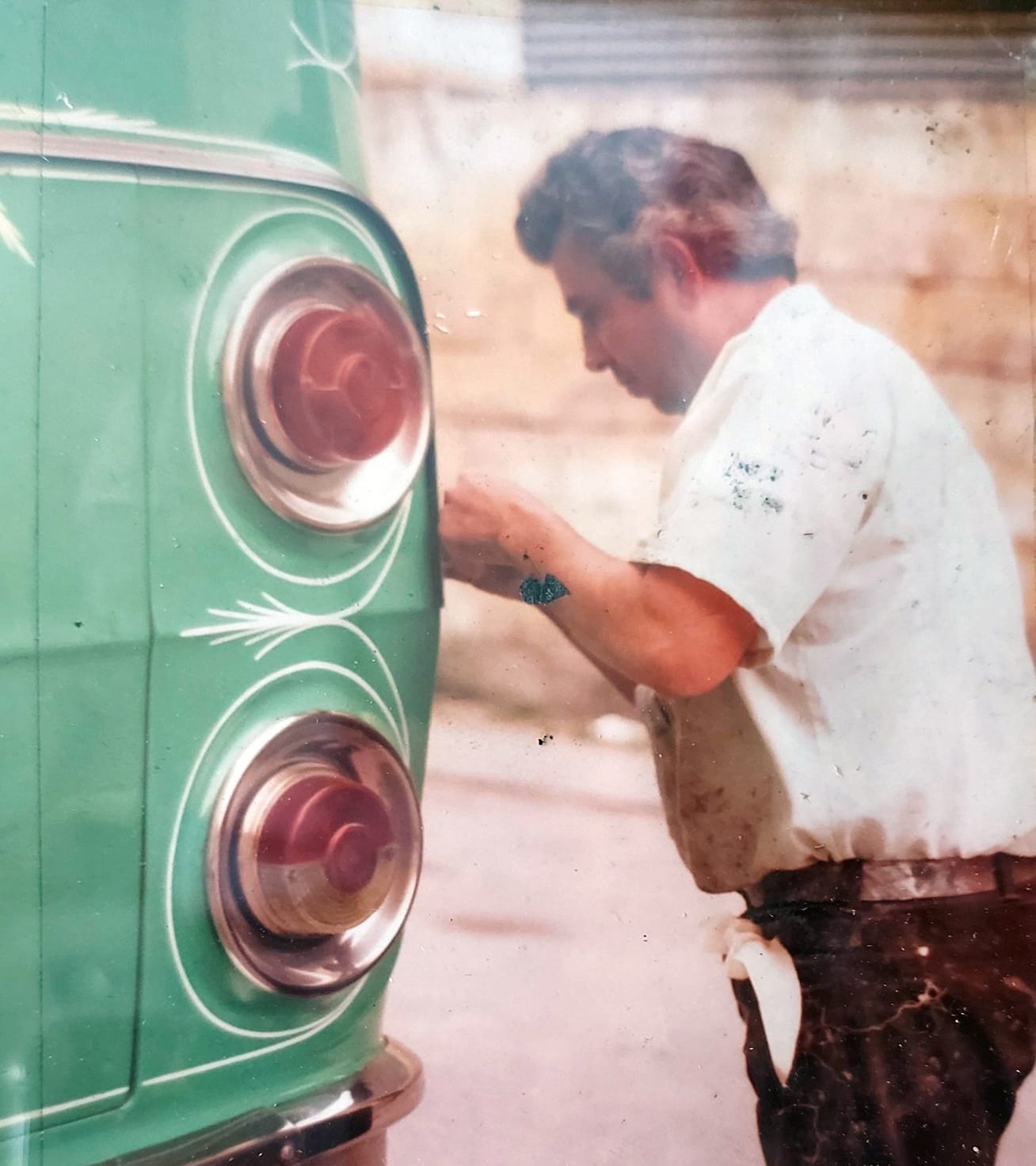
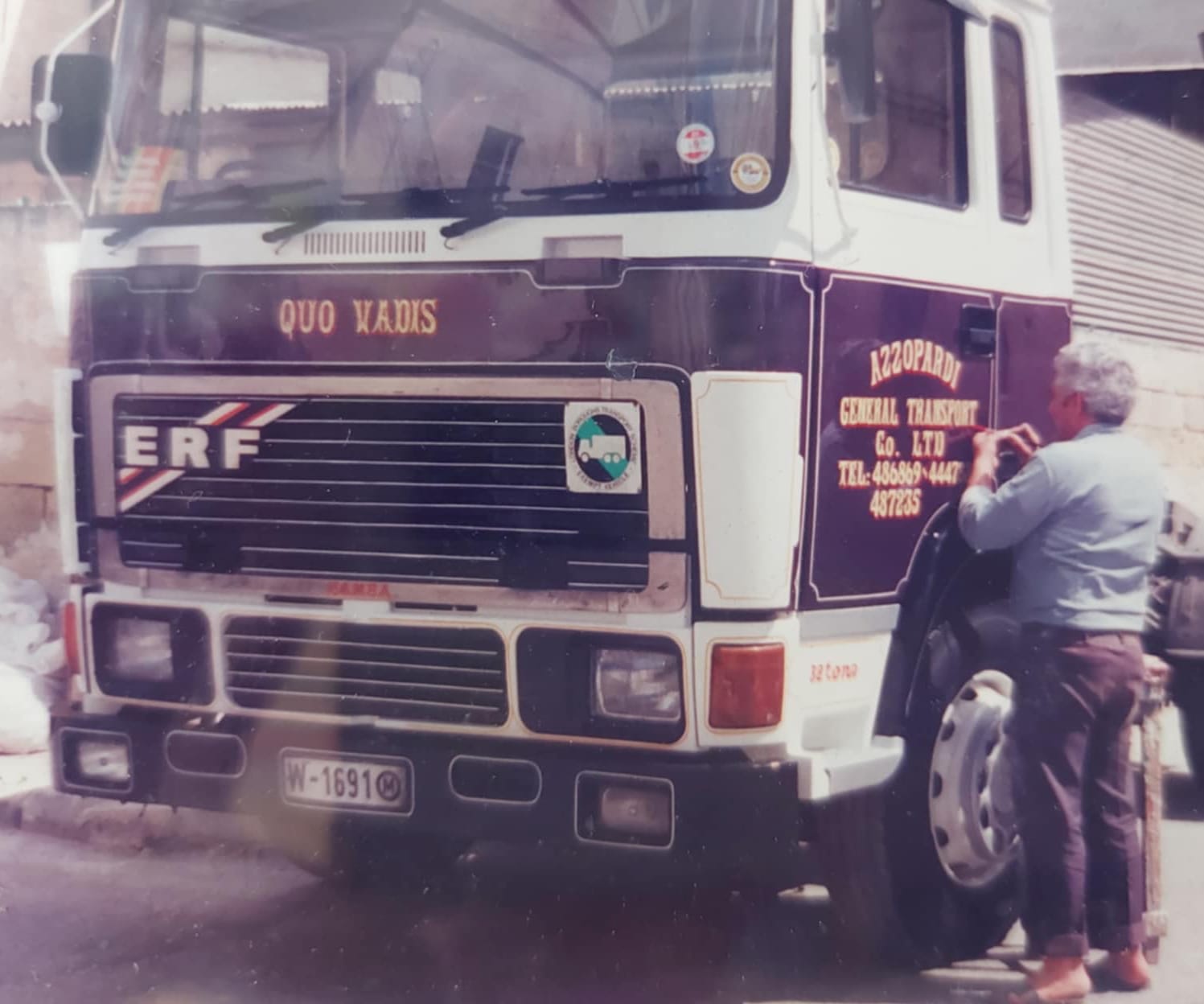
Bastjan Darmanin working in the 1980s and 1990s respectively. Photos: Alice Darmanin.
During Darmanin’s time, Tuscan lettering became the undisputed centrepiece of the decorative style and the pinstriping evolved into something more akin to the shapes and forms associated with local baroque, ecclesiastical art. A standardised approach to colour schemes, letter shadows, and the way they were applied was also put in place.
This burgeoning style was most frequently applied to the conspicuous red, black, and green cargo trucks known as trakk tax-xatt; it was not until the second half of the 1980s that bus regulations became lax enough to once again support Tberfil decoration on their exteriors.
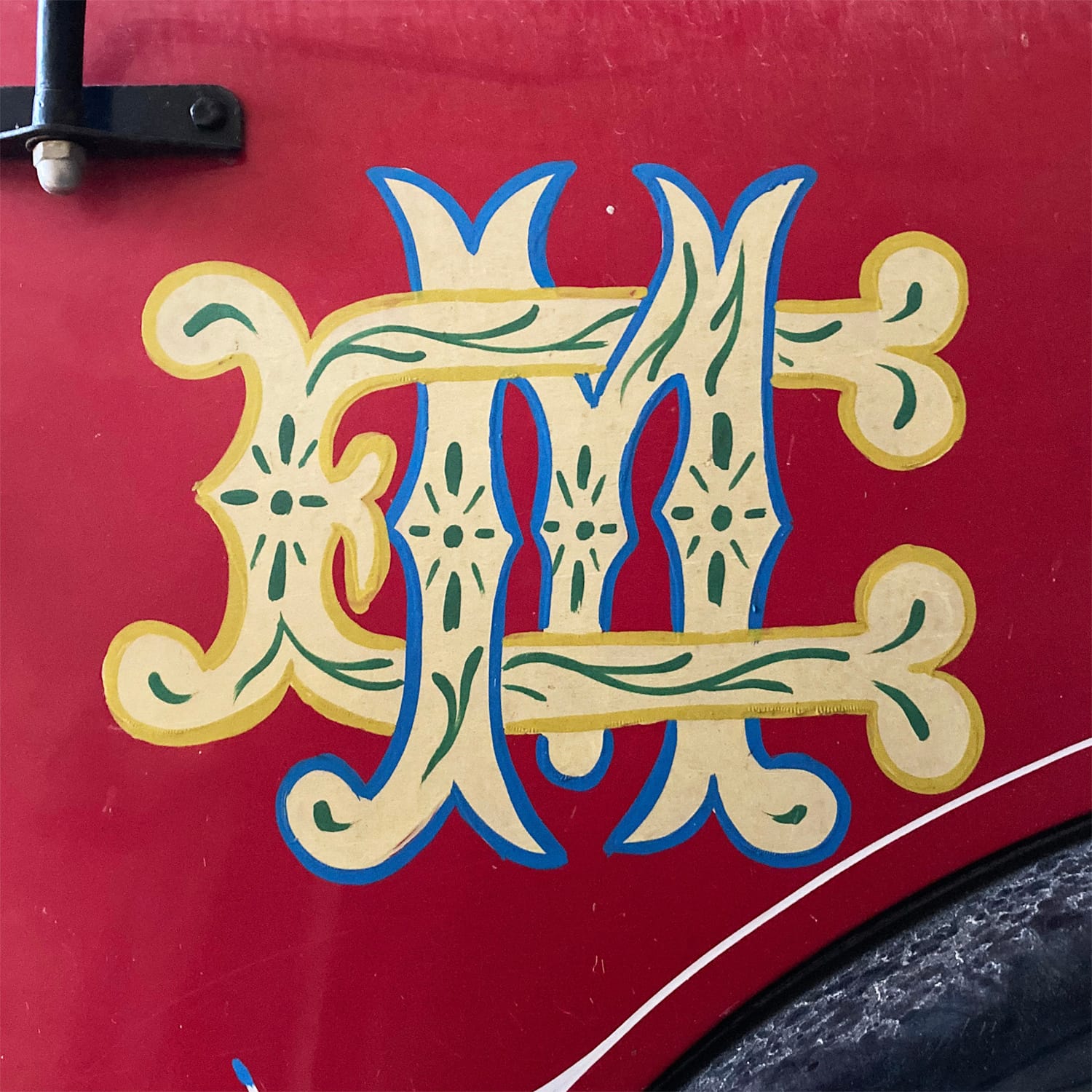
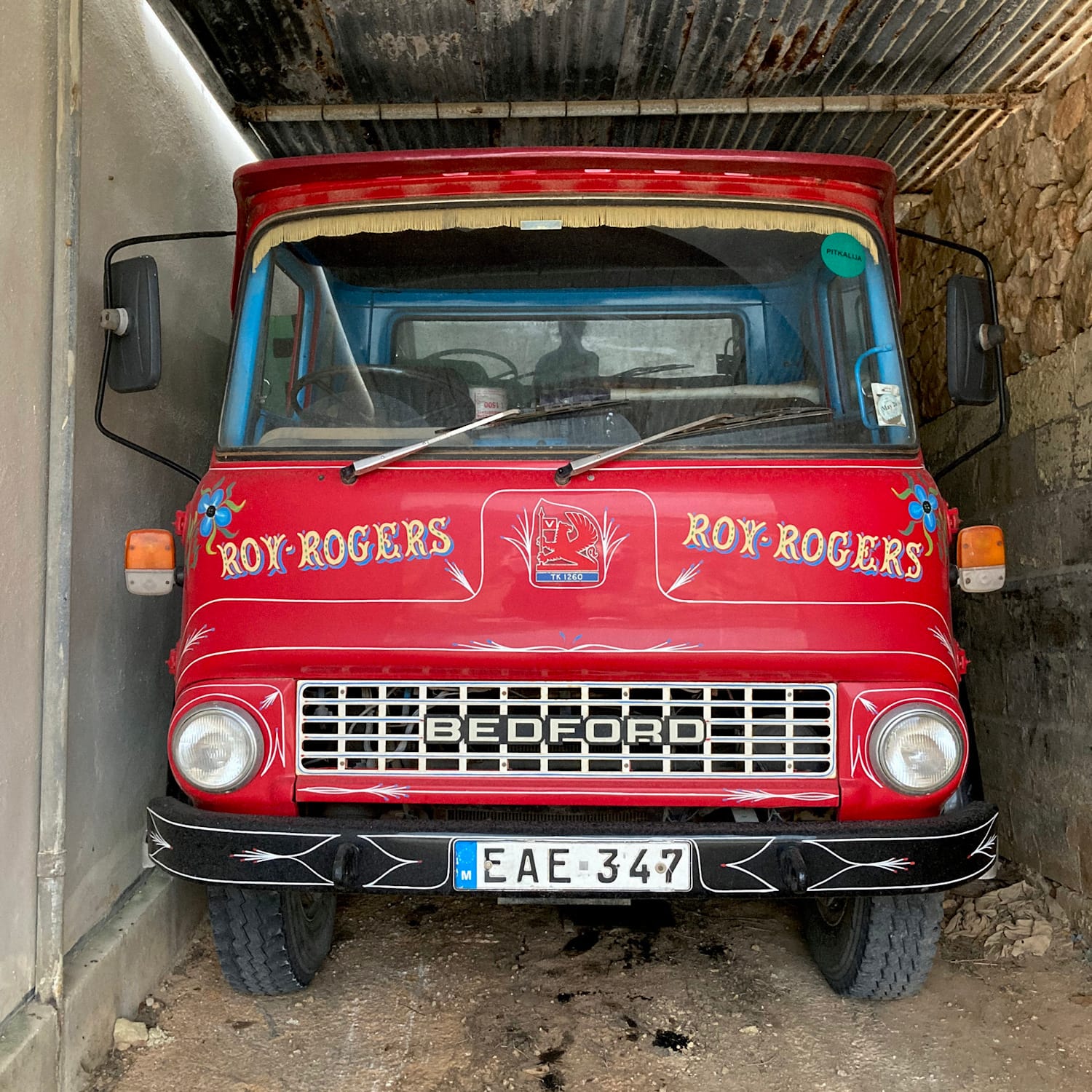
A monogram detail from a classic cargo truck and an example of their distinctive red and black livery. Photos: Steven Scicluna.
Picking Up the Baton
Having returned to Malta in the early 1980s, and determined to make good on his earlier ambitions, Joe Farrugia quickly re-emerged as a tberfilist in the local scene. And he did so with a head full of ideas for what Tberfil could become. Building on what Darmanin had established over the previous two decades, but also deeply inspired by his stay in Canada, Farrugia introduced new, refined letter styles that brimmed with a distinctive Anglophone influence. He also — at least judging by some of his flourishes — adopted a pinstriping style that, while feeling entirely Maltese, exhibits an occasional anthropomorphic flair that brings to mind the American striping of the Von Dutch variety.

And so, if Darmanin was Tberfil’s architect, then Joe Farrugia is its innovator. From his trademark casual script style to his various uppercase display serif styles, not to mention the calligraphic method he uses for painting Tuscans, his letters exhibited a new level of brush mastery. Perhaps even more impressive is that he seems to have developed most of these letter styles autonomously and with little training: “I simply walked around and copied the letters I used to see on the large advertising in Toronto” he once told me, casually dismissing a probing question I had just asked him about his training. Back in his garage in 2011, and seeing him tackle some letters with the utmost ease, I was left in no doubt that that was indeed the case.
The Maltese Vernacular
What these two artists have left us with is a rich folk art tradition that has, in recent times, become something of a mascot for all things Maltese and traditional. There are clear parallels with the Fileteado Porteño style that has become synonymous with Buenos Aires and has strong associations with Tango dance. At its core, Tberfil is a deceivingly simple amalgamation of three elements: lettering, pinstriping, and ornamentation.
However, unlike Fileteado, Tberfil is somewhat unfussy and frugal in its appearance: colour shading and blends are rarely seen, arabesques and acanthus leaf-like flourishes are only occasionally thrown in just to remind us that we are in a Mediterranean country after all, ornamentation revolves around a limited set of icons such as the horseshoe and the rose flower, and there are never more than three or four colours in a single composition. It’s all quite straightforward, perhaps even bordering on the unremarkable.
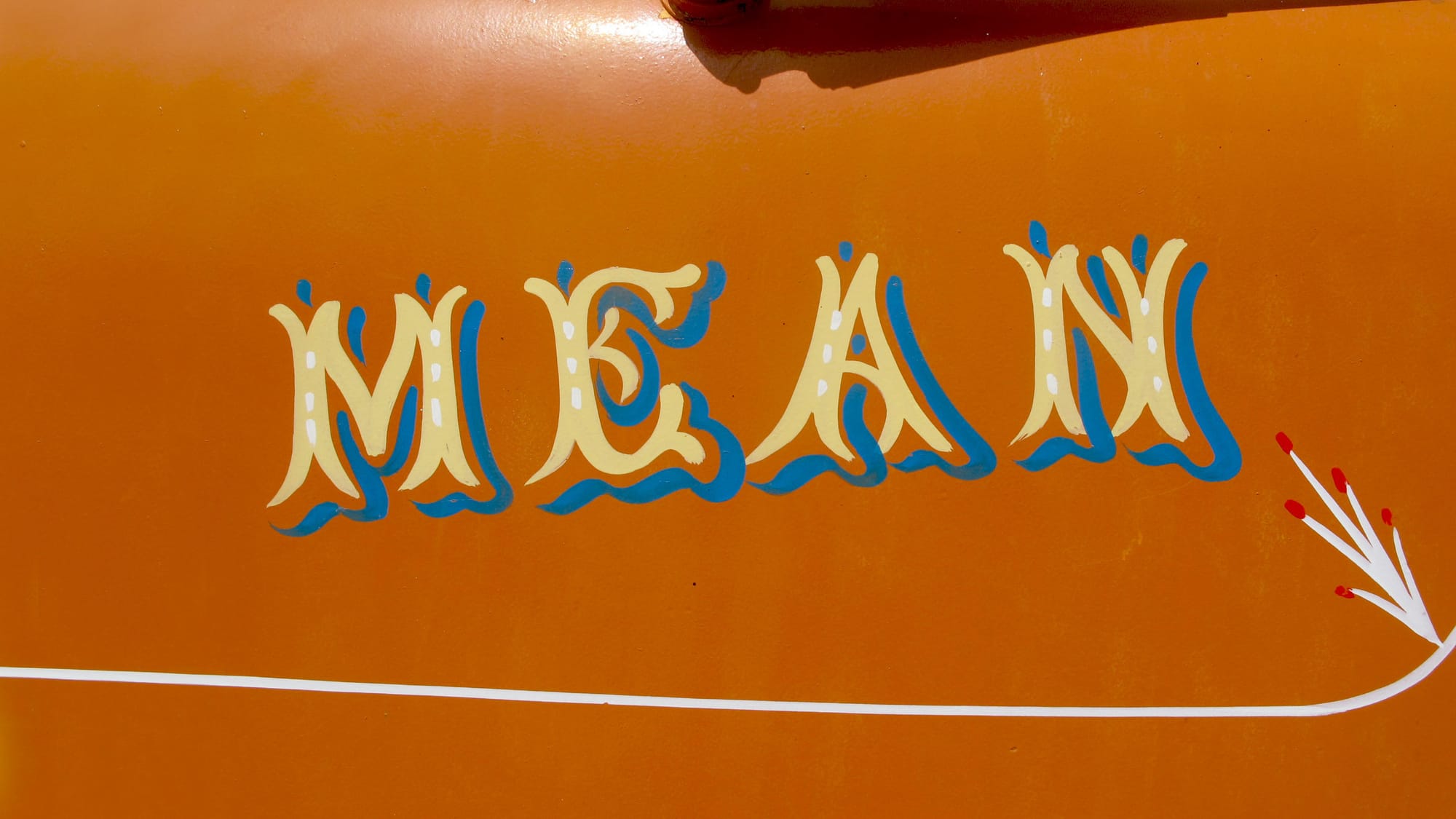
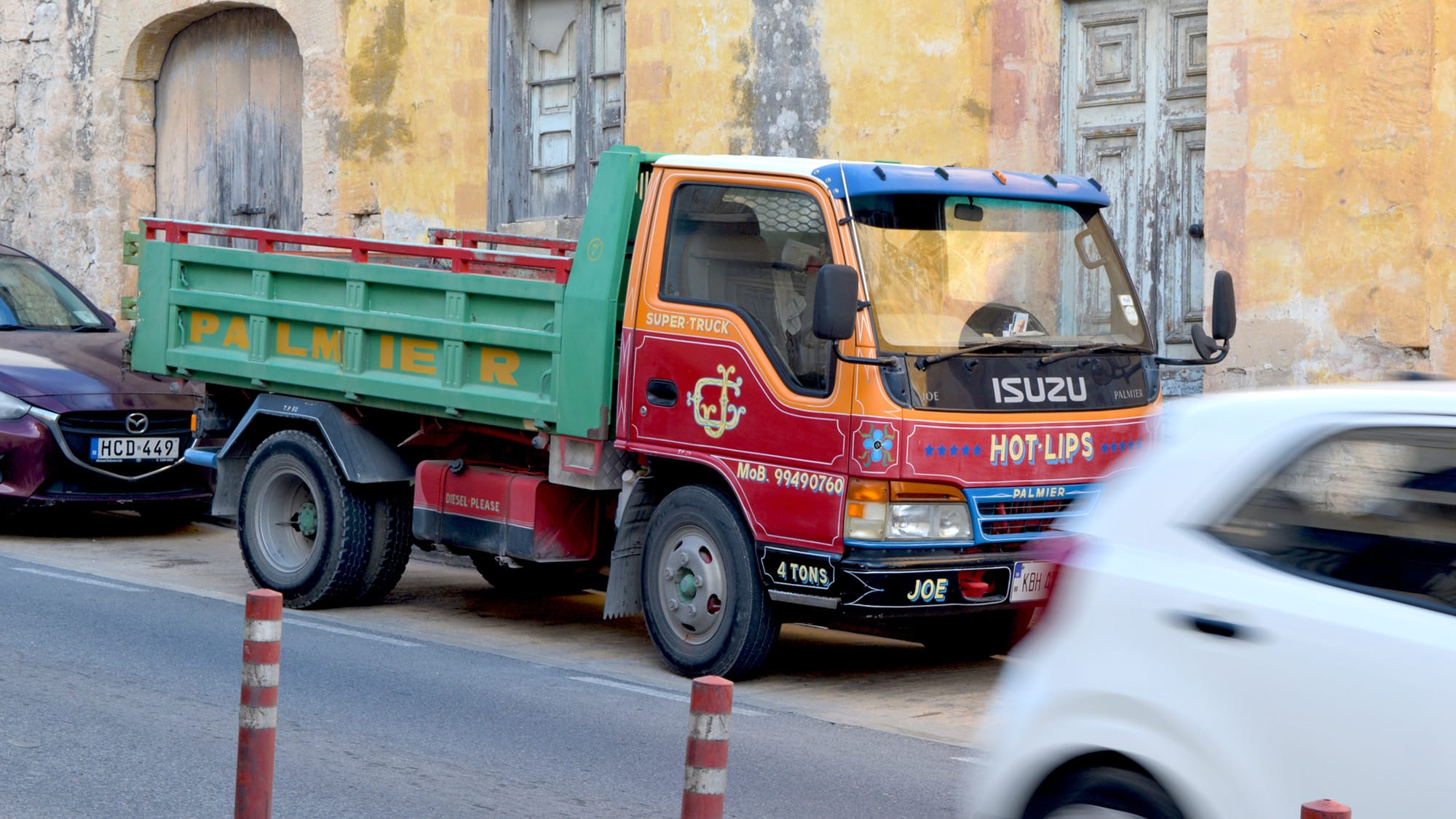
But this frugality is entirely in keeping with a tiny island nation whose natural resources are limited to fish, limestone, and a scorching sun. This is a place that is accustomed to doing whatever it can with whatever it has, and it is this same mentality that has elevated Tberfil to an artform that radiates its own distinctive type of elegance. This manifests in the gentle curvature of the pinstripes, formed by the intimate dance between artist and vehicle, with the brush tracing the flow of a vehicle’s body, accentuating its unique characteristics. It is the careful and considered placement of the lettering, guided by the artists’ finely-honed sense of balance, composition and use of white space. In many ways, tberfil is nothing short of a masterclass in intuitive minimalist art — something that cannot be said for the vinyl-wrapped vehicles that have come to dominate Malta’s streets over the last couple of decades.
An Ambassador for the Artform
Since 2011, Joe Farrugia has played an unlikely role of Tberfil ambassador to an audience that, increasingly, has come to appreciate Maltese folklore and traditions more than previous generations. This work has seen him teaching the islands’ only tberfil classes, in addition to fronting a campaign that aims to reintroduce a modern, updated version of the Maltese bus.
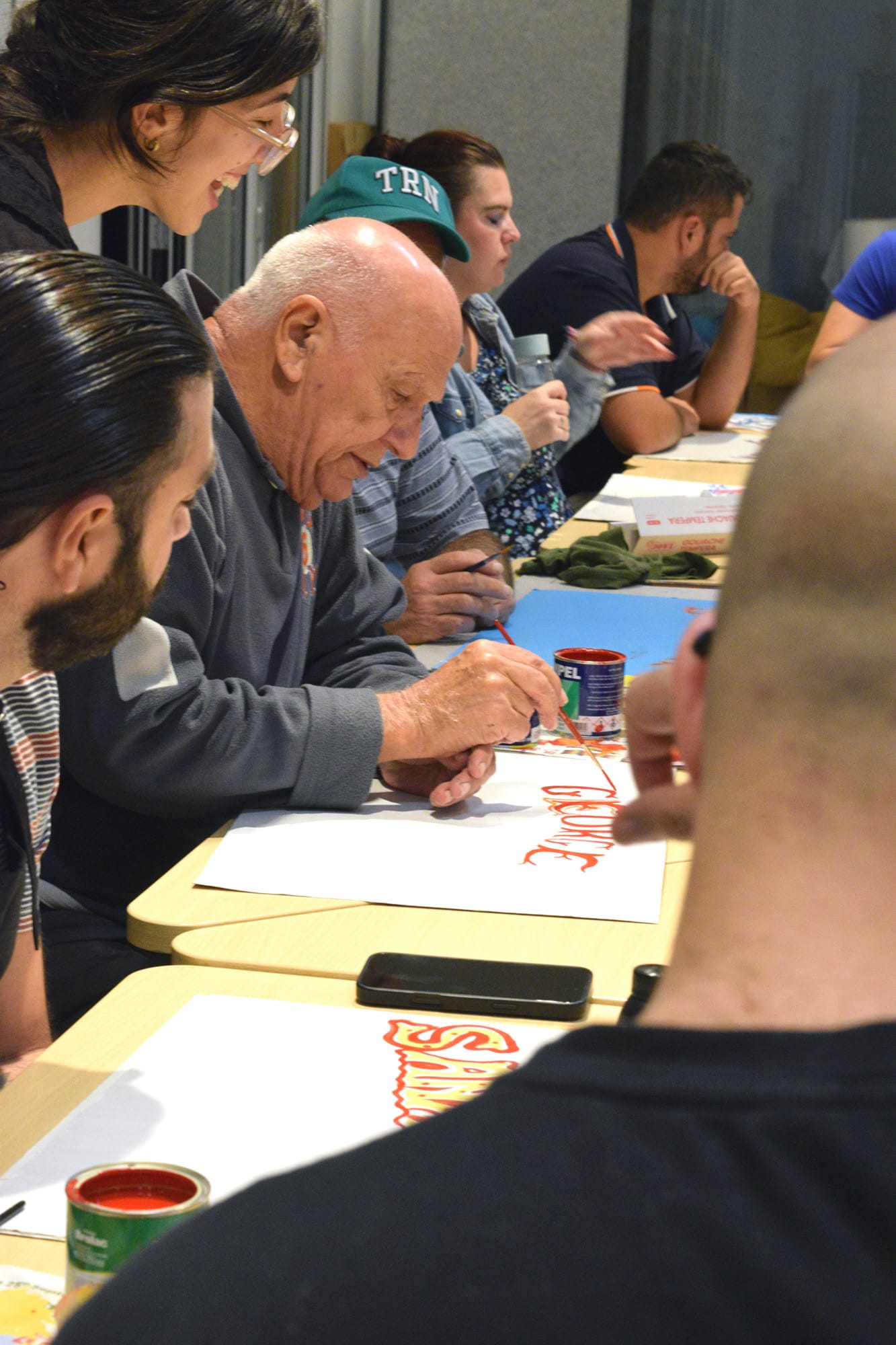
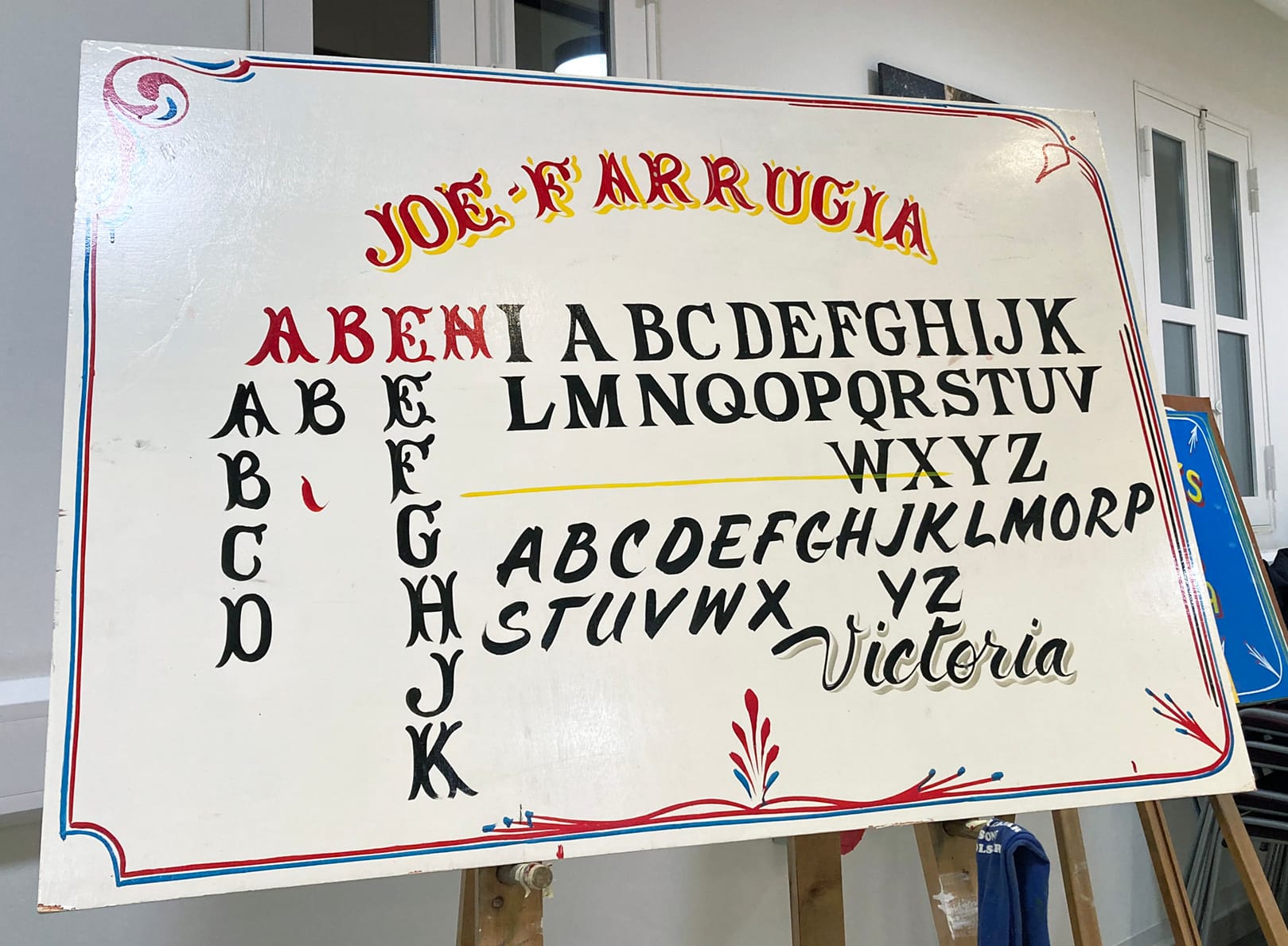
Joe Farrugia surrounded by students at one of his classes and his instructional board showing the many styles of lettering utilised by the Tberfil artform. Photos: Steven Scicluna.
The response to Joe’s classes has been incredible and one can only hope that among his students are some that will carry the craft forward, continuing the work that Joe and many other artists have done to make Tberfil the much-loved tradition that it now is. In this way, the century-old artform can continue to thrive and evolve for decades to come.
Written by Steven Scicluna
Steven Scicluna is a multi-disciplinary creative who spends his time between graphic design, illustration, and other creative projects, most recently authoring and publishing Tberfil: The art of Maltese vehicular decoration in the 20th century.
The book is available to buy in the BLAG Shop and from all good bookshops in Malta.
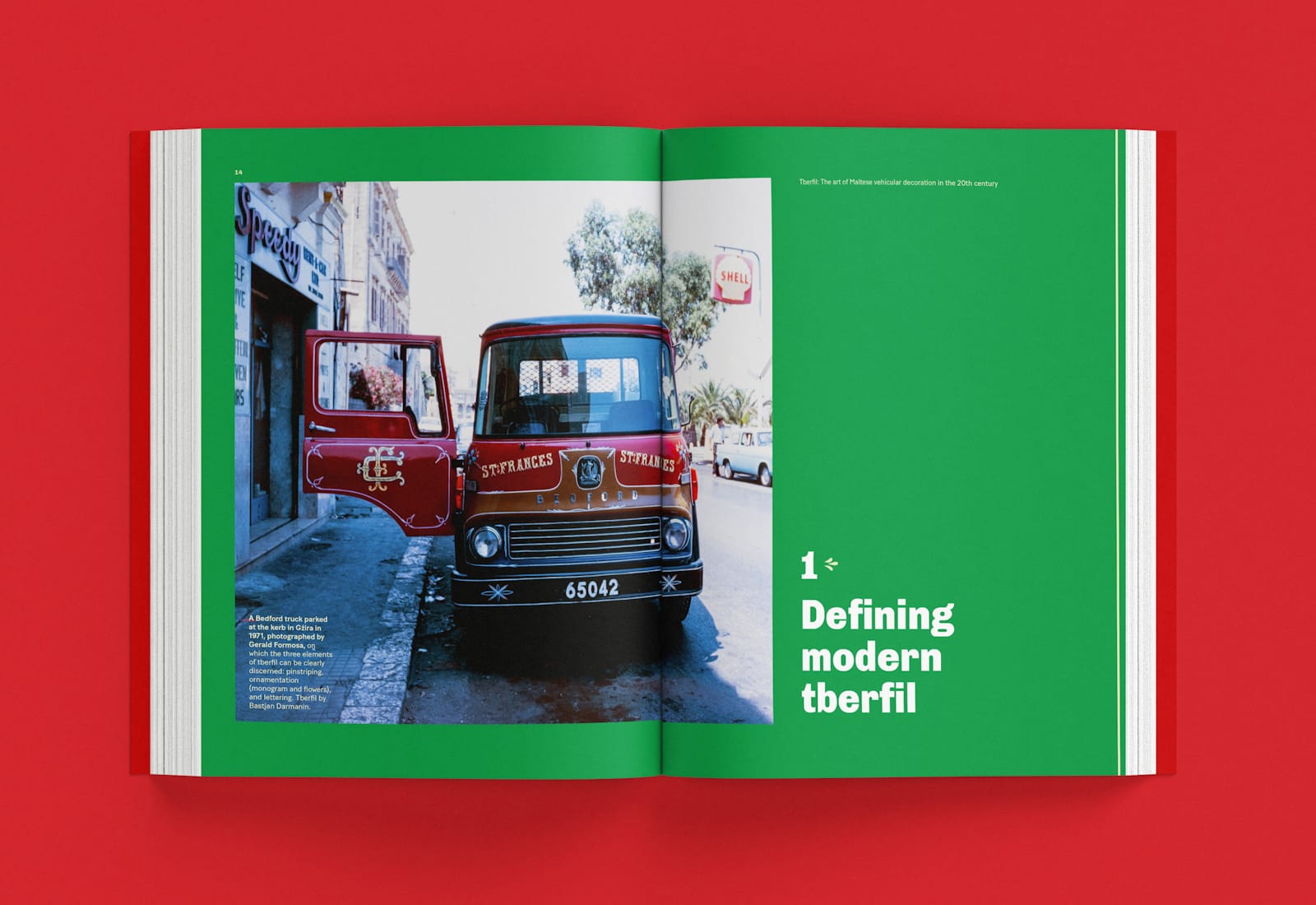
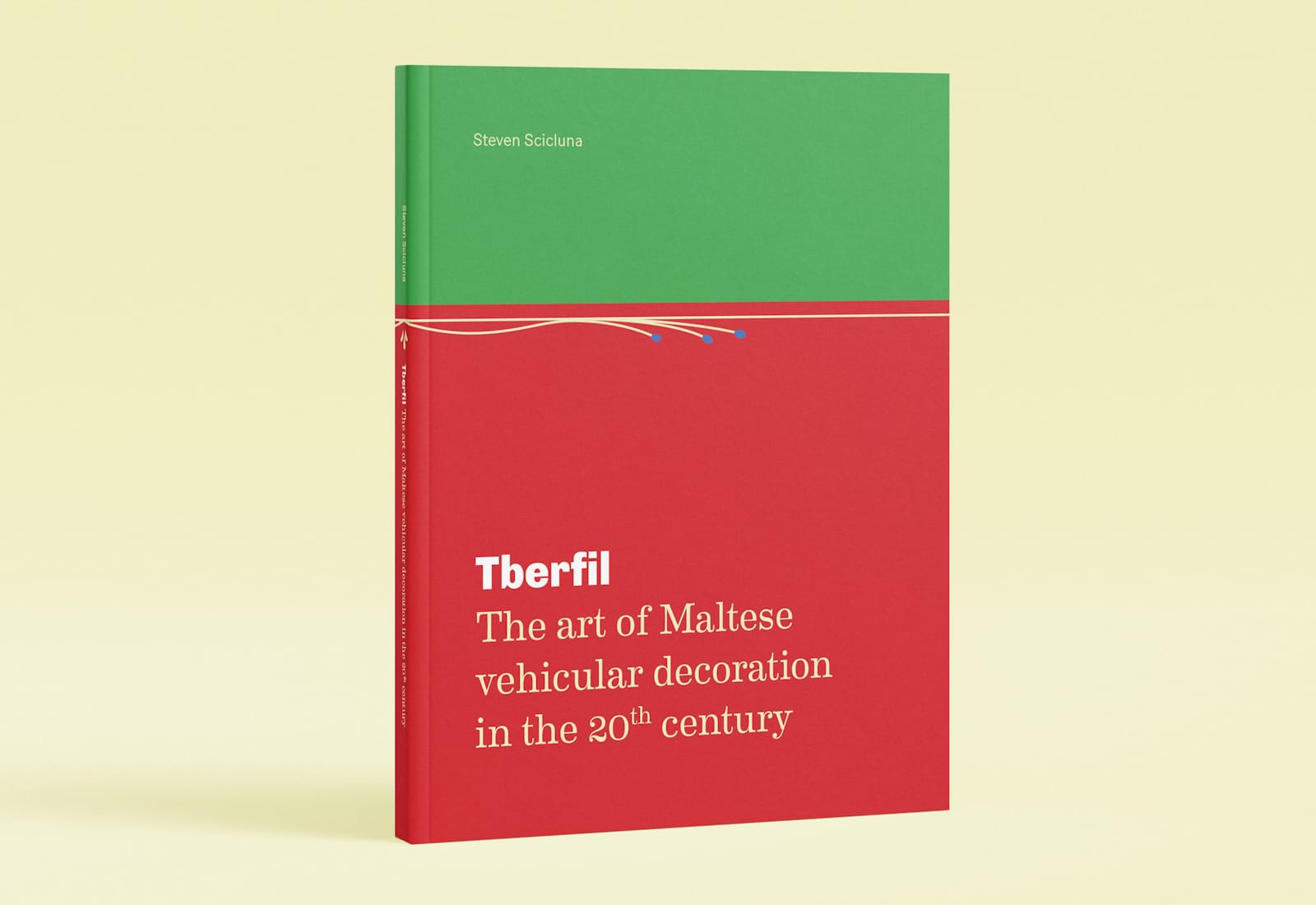
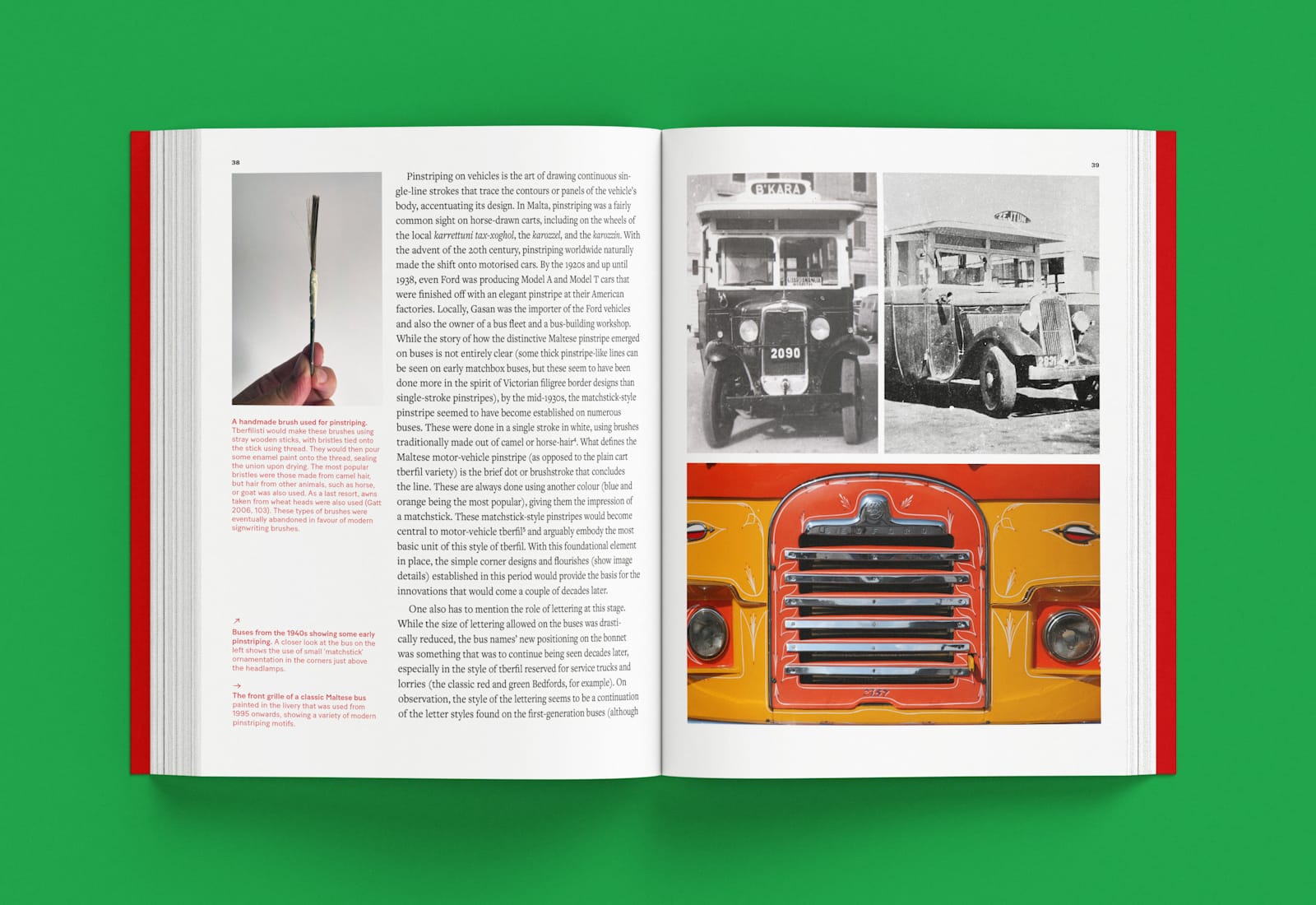
Tberfil: The art of Maltese vehicular decoration in the 20th century by Steven Scicluna.
More Vehicles
 Better Letters
 Better Letters
 Better Letters