Brushstrokes on Wheels: The Story of Horsecart Painter Numan Balıca
Murat Ertürk shares the life and legacy of Turkish painter and decorative artist Numan Balıca.

Murat Ertürk has spent the last seven years researching and documenting the sign painters and commercial artists from the Turkish city of Sakarya. Most of this has been focused in the period between the 1940s and 1990s and one of the sign painters, Enver Yücebalkan, was profiled in BLAG 03.
Murat’s work has recently culminated in a new book, Sakarya’nın Harfleri (The Letters of Sakarya, reviewed in BLAG 09). The publication brings together over 650 photographs and archival documents, and includes detailed biographies of 48 artists whose stories have so far been largely overlooked. One of these is Numan Balıca, and here Murat helps to cement the legacy of this skilled and influential practitioner.
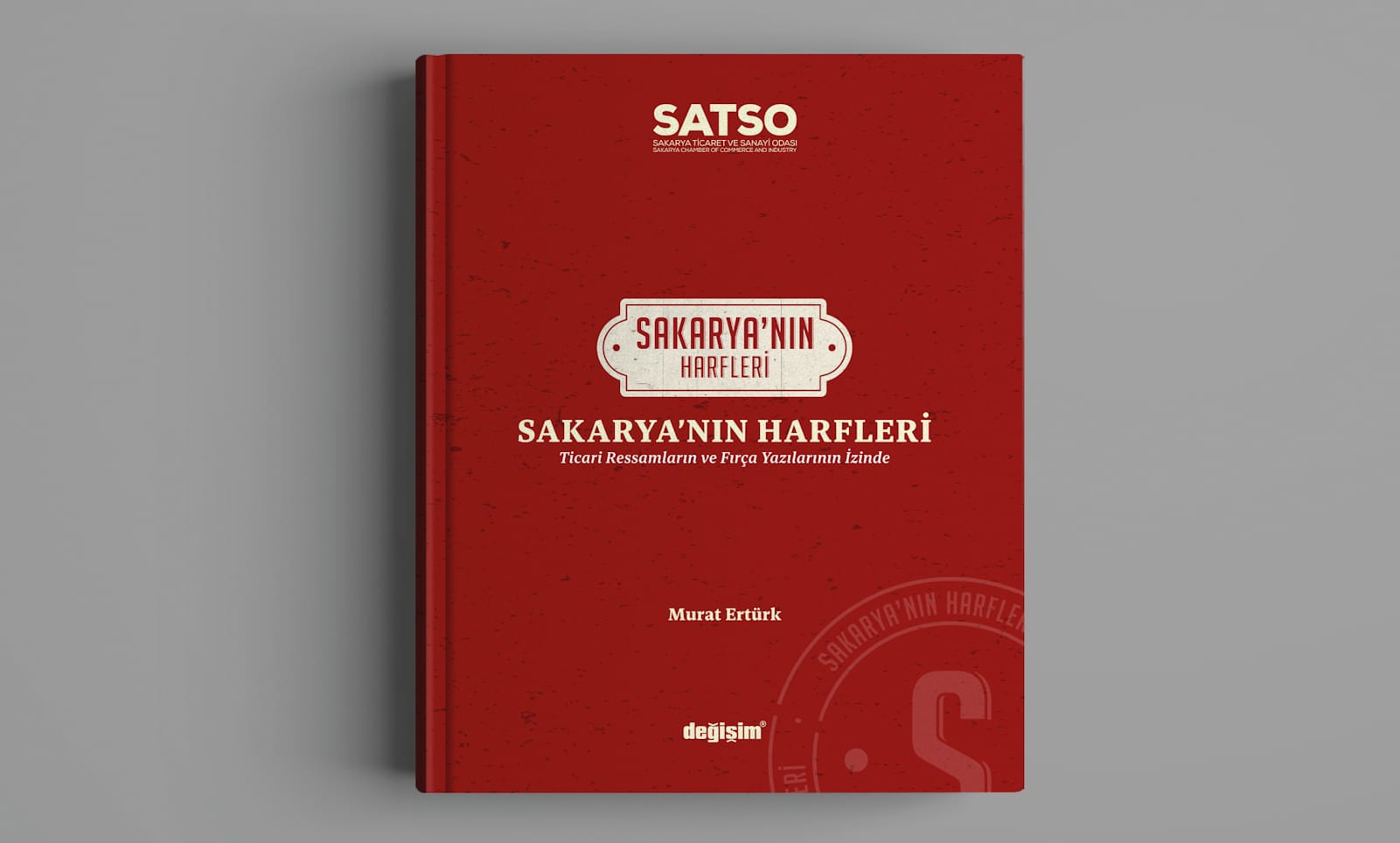
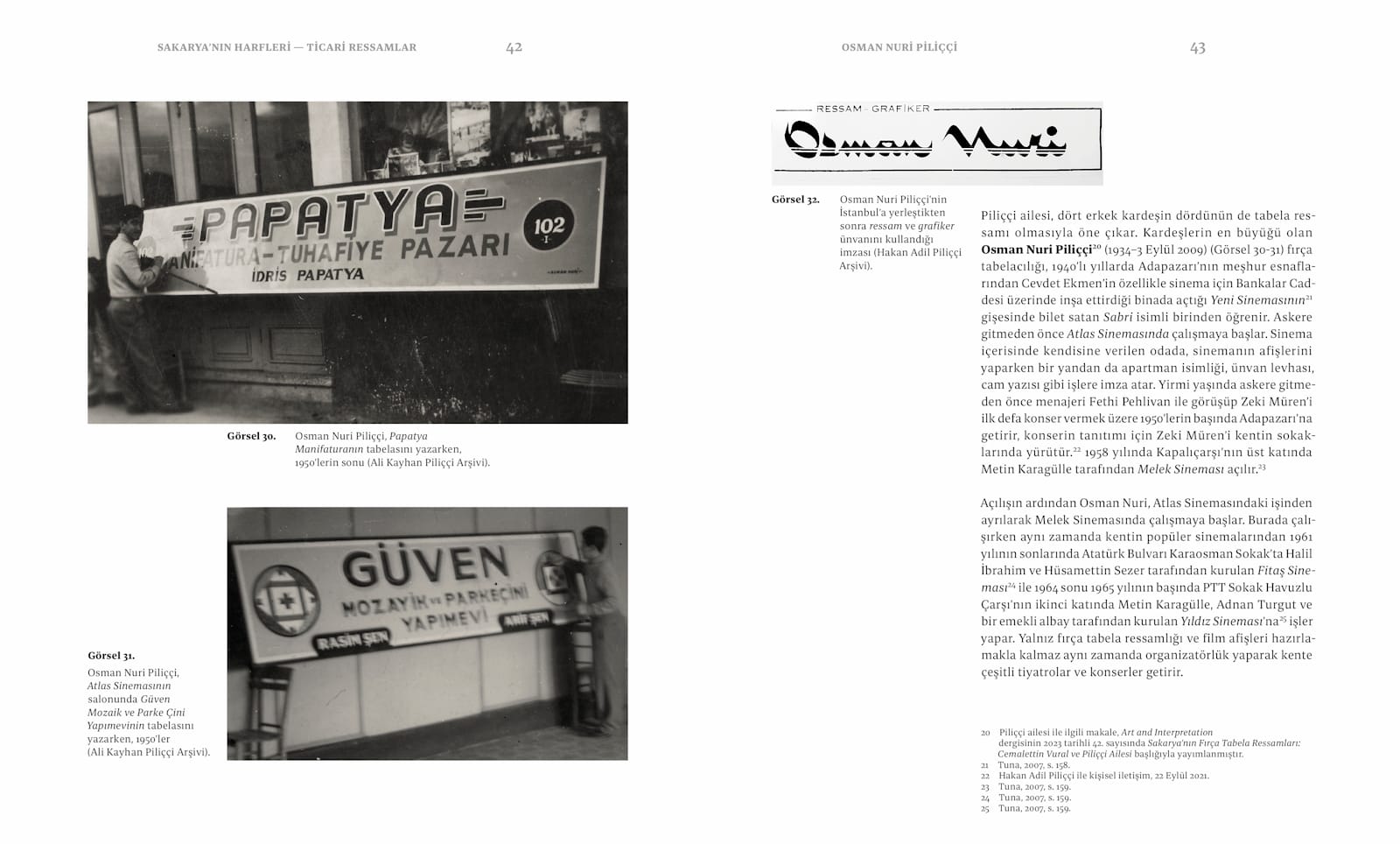
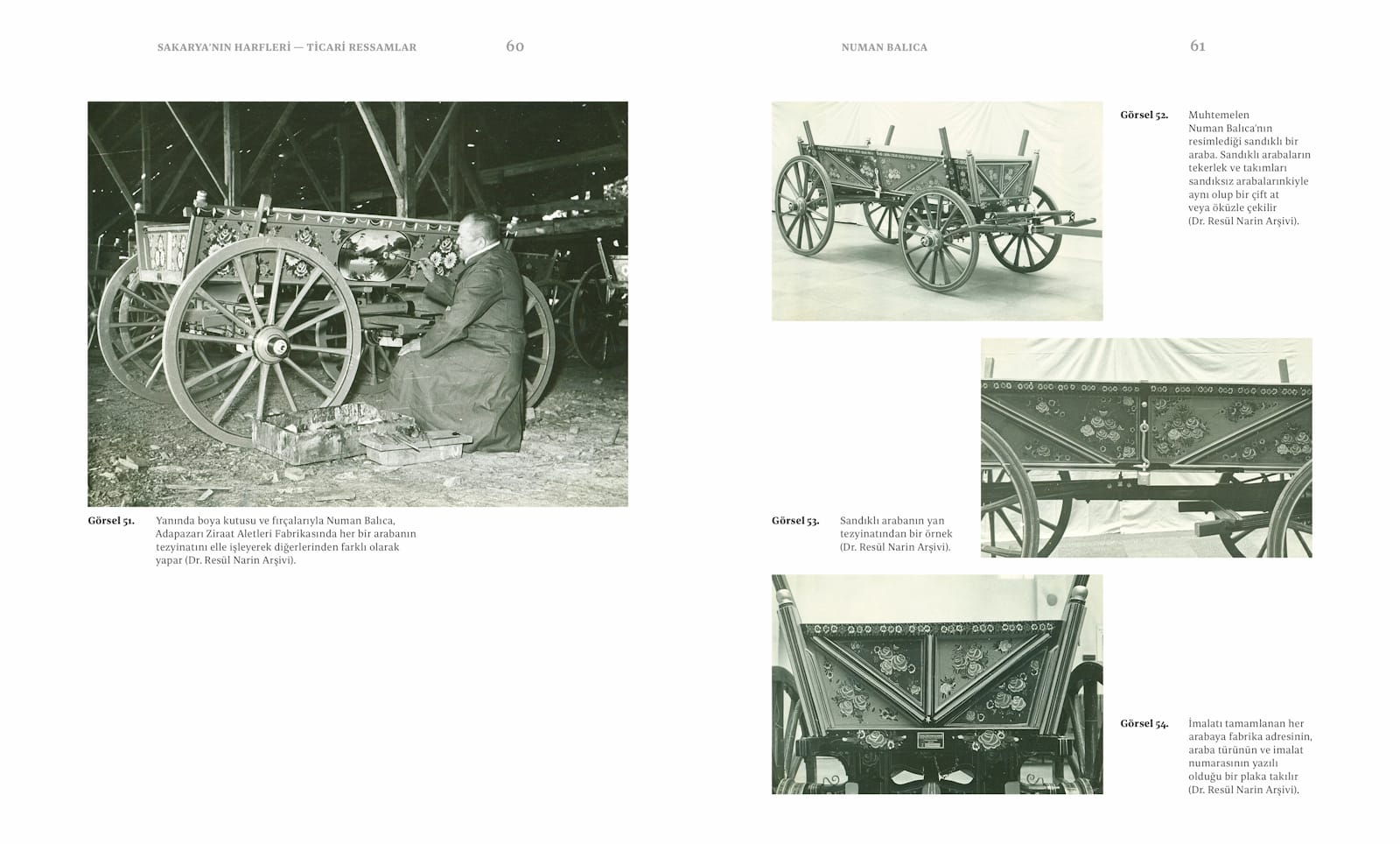
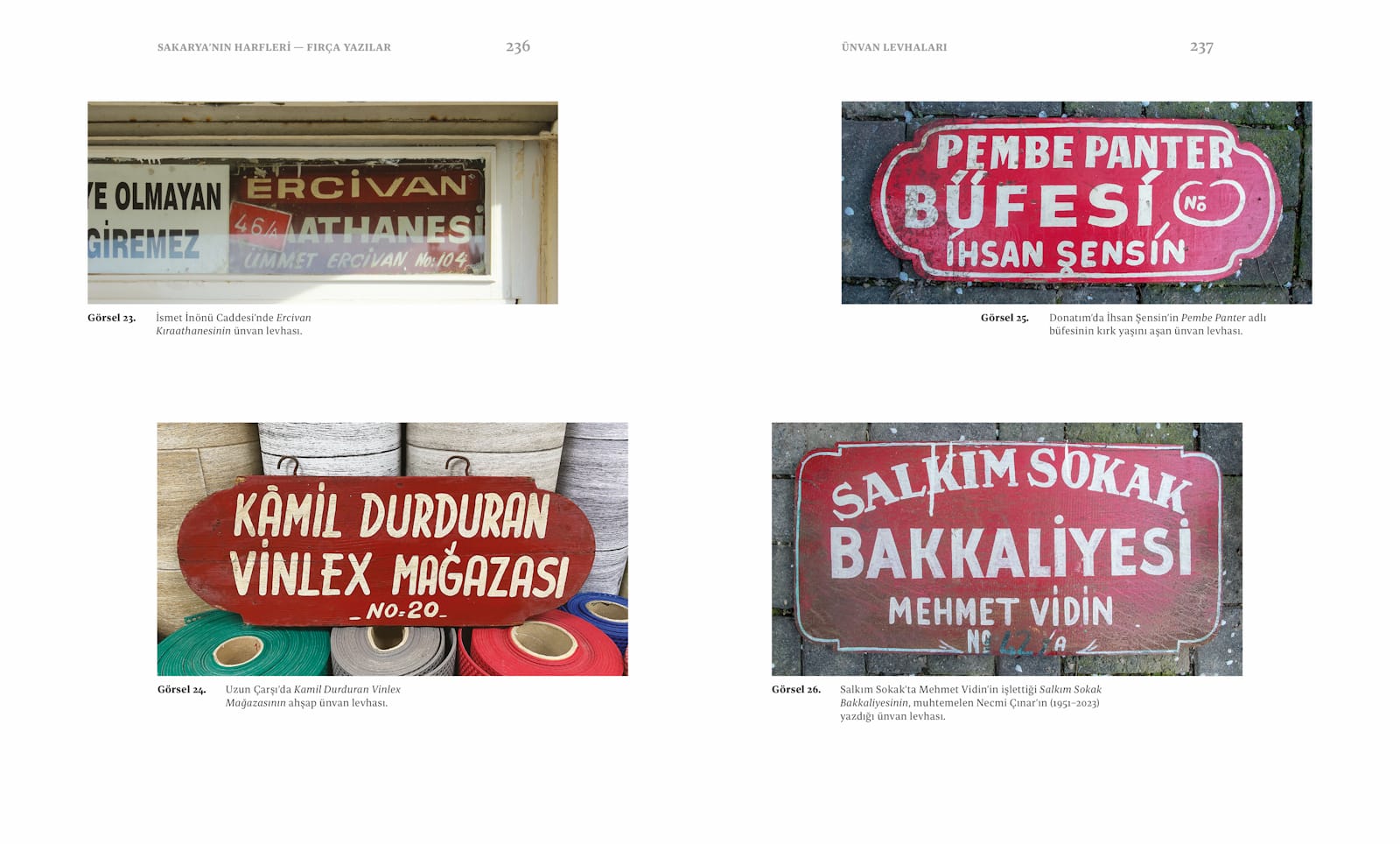
Cover and spreads from Sakarya’nın Harfleri by Murat Ertürk.
Brushstrokes on Wheels: The Story of Horsecart Painter Numan Balıca
By Murat Ertürk
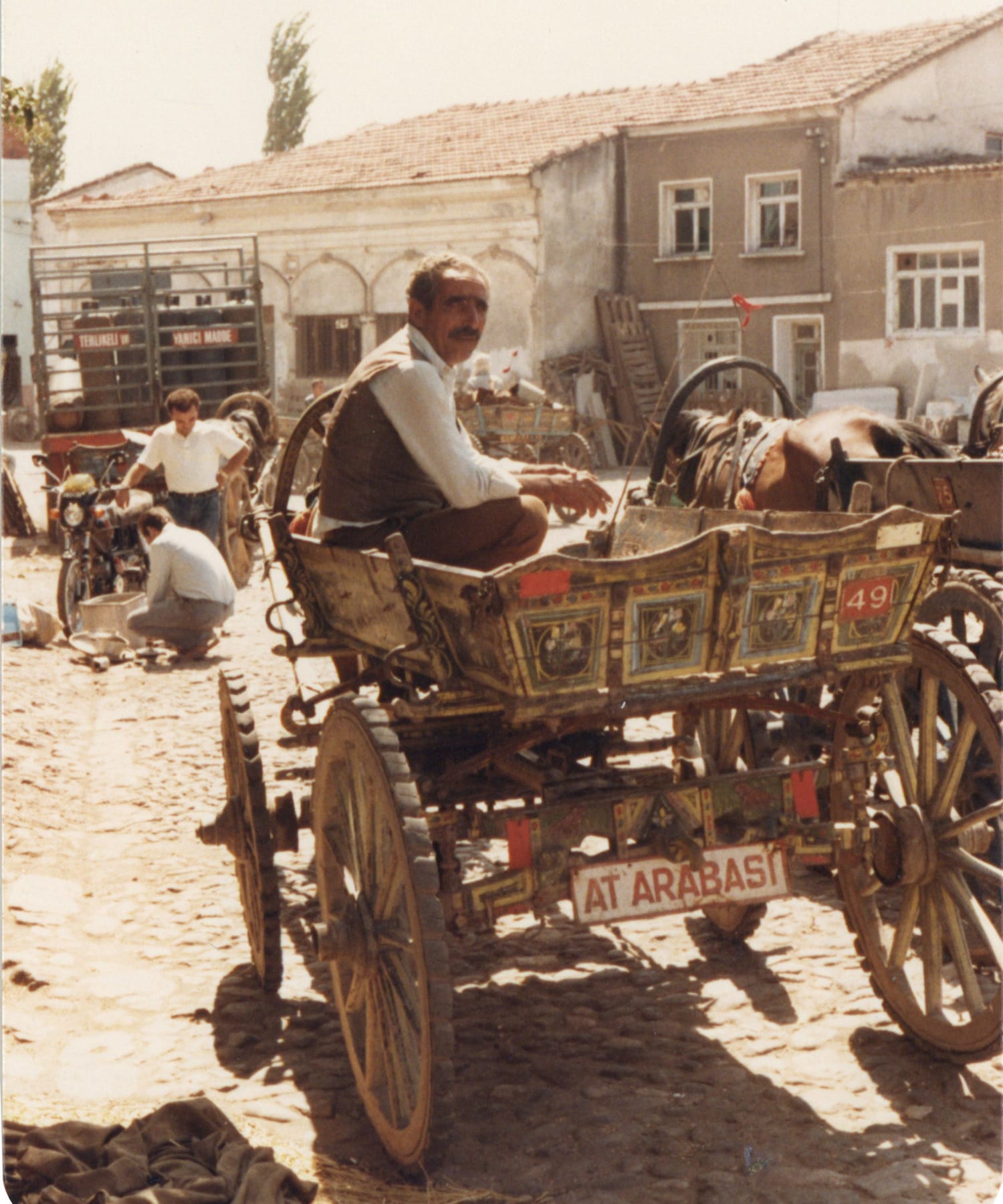
In the early twentieth century, Anatolia, Turkey, was a place where tradition and modernity intersected in various ways. As the Ottoman Empire collapsed and the Republic of Türkiye emerged, new industries merged with centuries-old crafts. One such intersection of art, industry, and daily life did not emerge in art academies or technically driven factories, but on the humble wooden panels of horse-drawn carts (referred to here as horsecarts).
For centuries, in numerous Anatolian towns and villages, horsecarts were not only a means of transport but also an integral part of local culture. Songs were written about them, and authors frequently featured them in their writing.
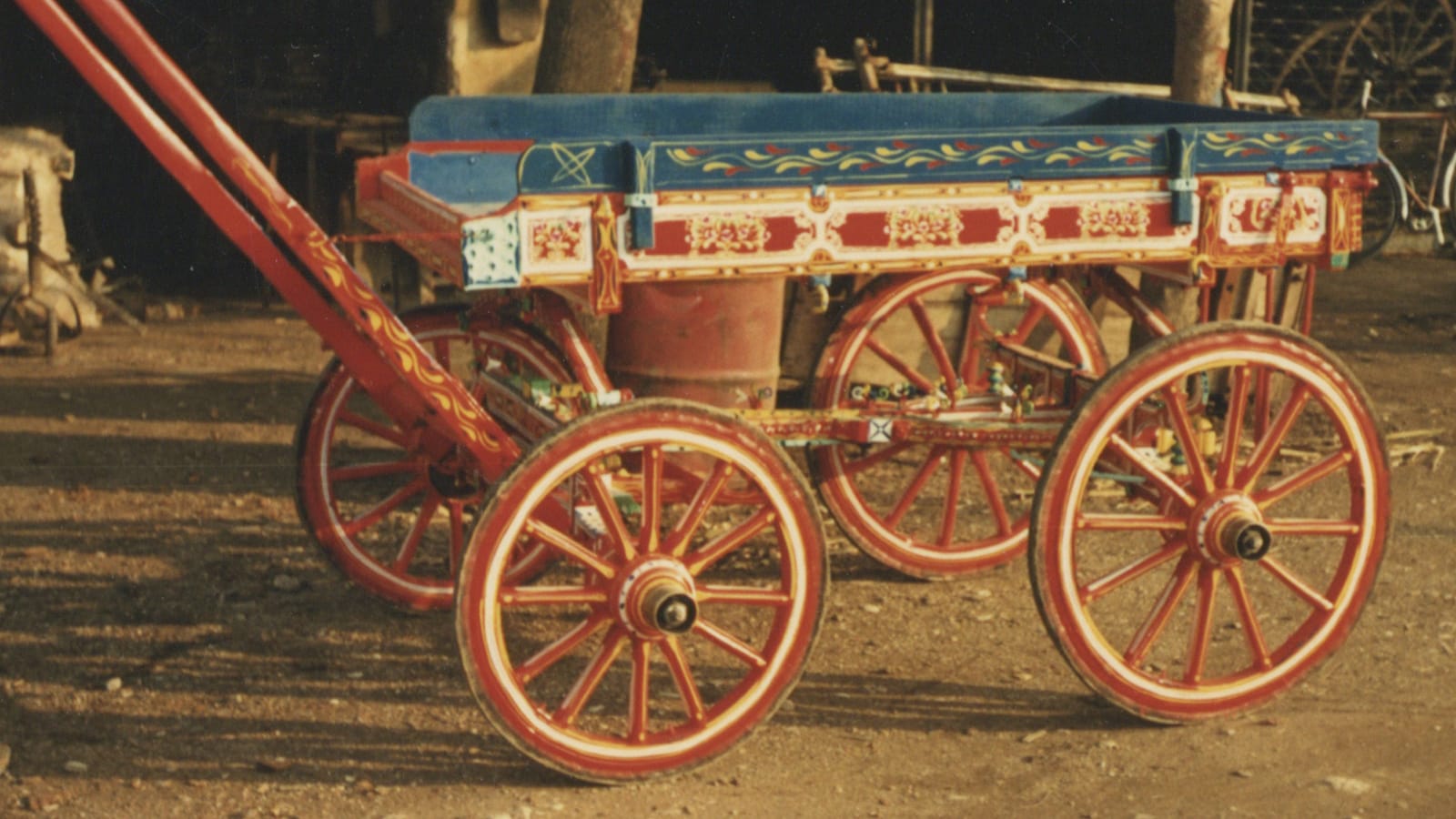
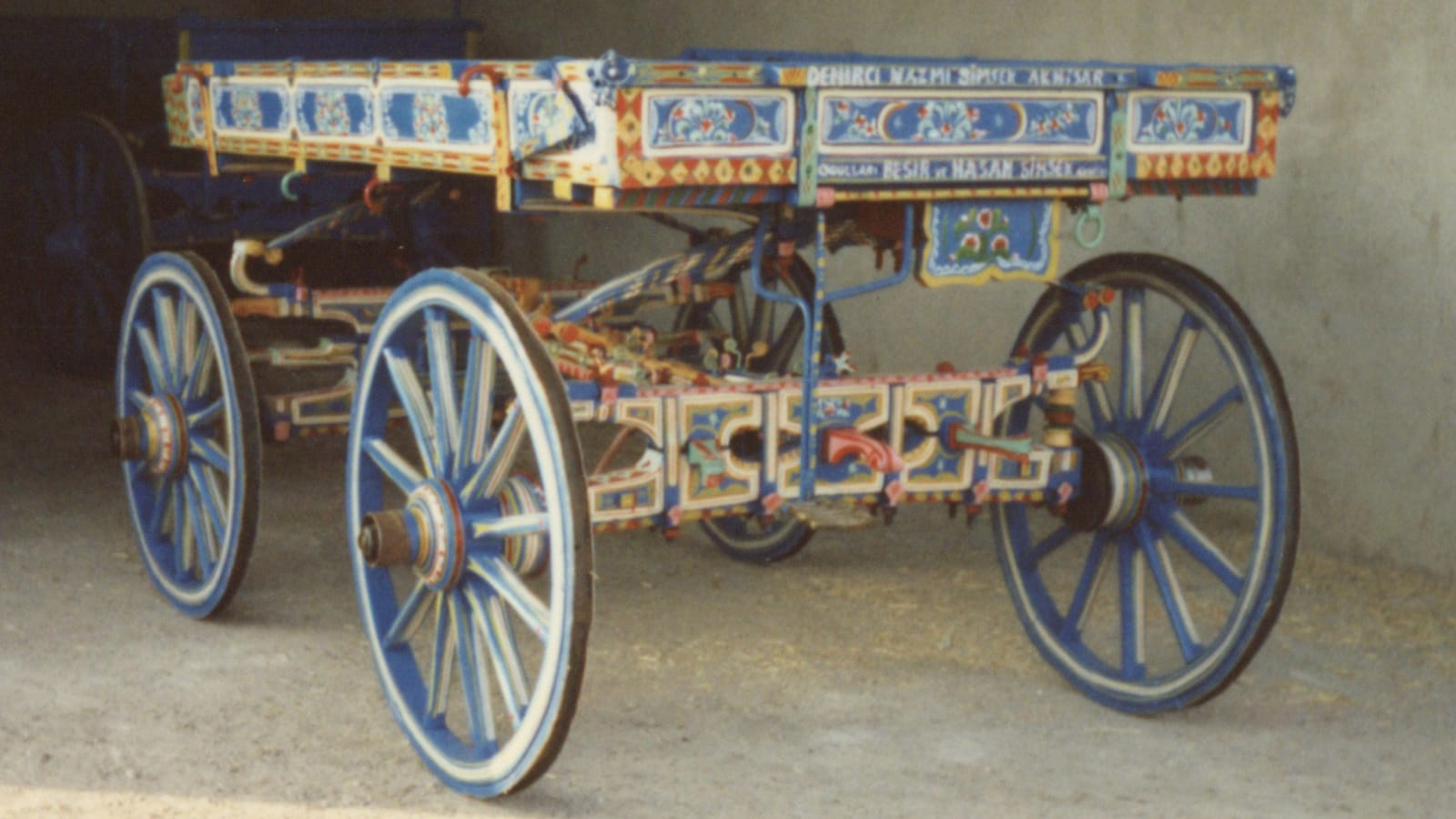
Decorated horsecarts from Akhisar (Manisa, Türkiye). Photos: Salt Research (link goes to more images from this collection).
In the nineteenth century, when horsecarts began to be used more widely for commercial purposes, particular care was taken to ensure that the harnesses, equipment, and cart did not hurt or exhaust the horse. The cart’s mechanism had to be adjusted so that the animal would not be distressed, showing that people at the time saw the horse and the cart as a harmonious whole rather than focusing solely on the cart’s appearance or function.
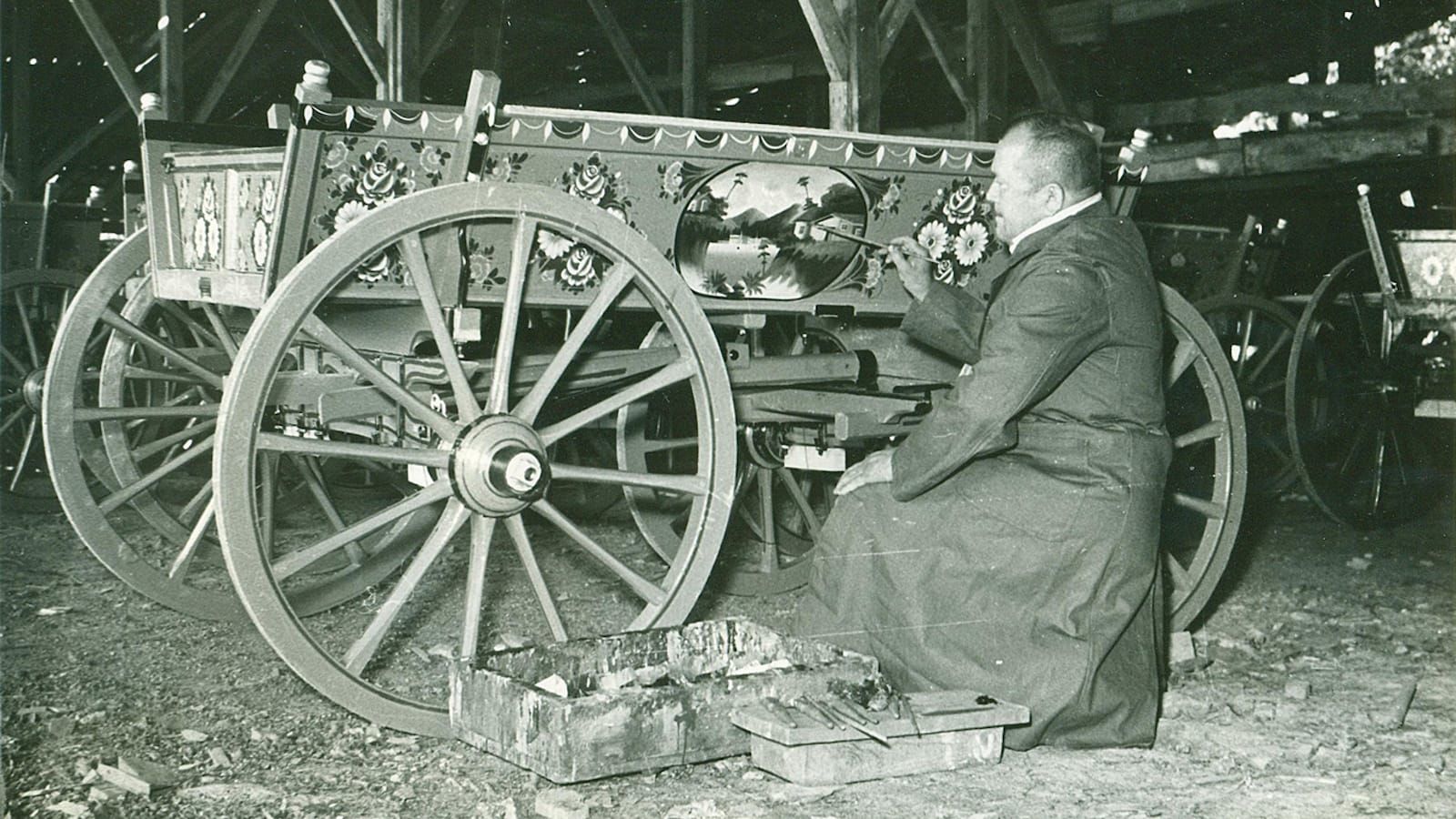
The tradition of painting and ornamenting horsecarts was so strong that, in some villages, unpainted and unornamented horsecarts were not welcome, and drivers did not want to use them. It was considered a shortcoming. Imagine dozens of horsecarts, each decorated differently, roaming the streets of villages and cities every day. Like an open-air exhibition of moving artworks...